Get in the Game
A couple of weekends ago, I got into a surprising conversation with a group of first-year college students. Stepping back into those shoes, you may recall your arrogant convictions about the world back then—and how every year you realize you know a little less. This cadre of young people, however, were way ahead of the typical learning curve.

sit down and listen to the so-called experts
At the beginning of each year, they gather friends and acquaintances to compete in what they call the Subpar Forecasters Group. In twelve months’ time, winners and losers will be pronounced based on predictions about a short list of possibilities plucked from the cultural zeitgeist. My new friends chose their name to contrast themselves with “Super Forecasters”—those experts who deploy multidisciplinary, out-of-the-box thinking to rank within the top quintile of international competitions. This isn’t new, but with the advent of Polymarket, it’s become an object of fascination. More than that, the herd has been more right than wrong about political campaigns.
In contrast, it didn’t take long for our high schoolers to discover that they were frightfully fallible guessers. That tracks, doesn’t it? January is a time when we all make predictions. We predict we’re going to hit the gym, stay on a diet, or finally write that novel. But nowhere is our capacity for self-deception more expensive than when we try to predict the stock market—or the real estate market.
One of these students told me that, technically speaking, if you assign something a 0% or 100% likelihood and you’re wrong, your score crashes to negative infinity. It’s hard to come back from that. You get chastened pretty quickly. Or at least, you should.
Nowhere is our capacity for self-deception more expensive than when we try to predict the stock market—or the real estate market.
If the last few years have taught us anything, it is that the economy will do whatever it pleases, experts be damned. Remember when every economist knew a recession was inevitable in 2023? Remember when mortgage rates were guaranteed to stay low forever? Or when the housing market last year was definitely going to crash by 20%, just like 2008? Or that tariffs were the end of America?

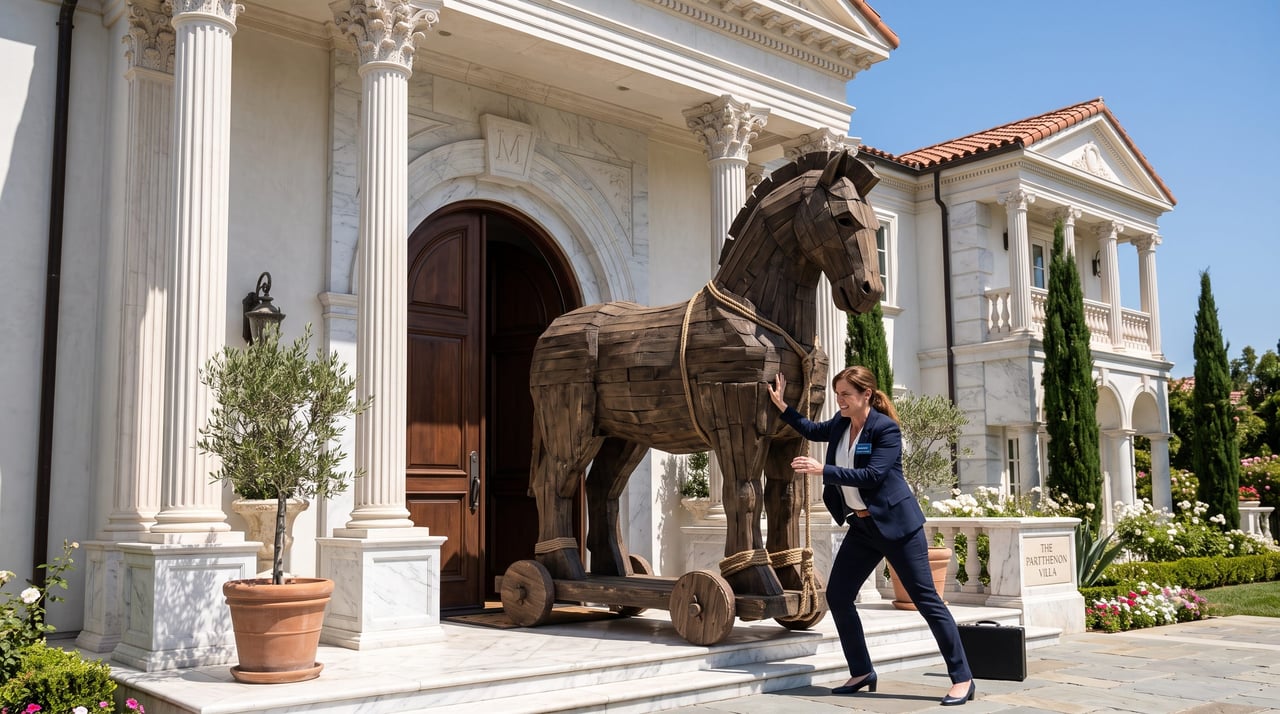
a housing crash that might be fun to watch
We have a funny way of gaslighting ourselves. We freeze, waiting to buy a home because we know prices will drop next month. We look at a chart and convince ourselves we see a pattern, when often we are just looking at a Rorschach test of our own anxieties. To paraphrase the Nobel laureate Daniel Kahneman: the fast thinker inside you is overriding the deliberate, slow-thinking part. You bet the farm on a guess, educated or otherwise, and call it strategy.
The Truth
Face it: you don’t know where the S&P 500 or prevailing mortgage rates will finish this year any more than I do. You didn’t have the post-COVID inflation spike on your bingo card three years ago, either. Does anyone know if the outcome of the November elections will tank the bond market or send it soaring? I know I don’t. And neither does the guy shouting on CNBC.
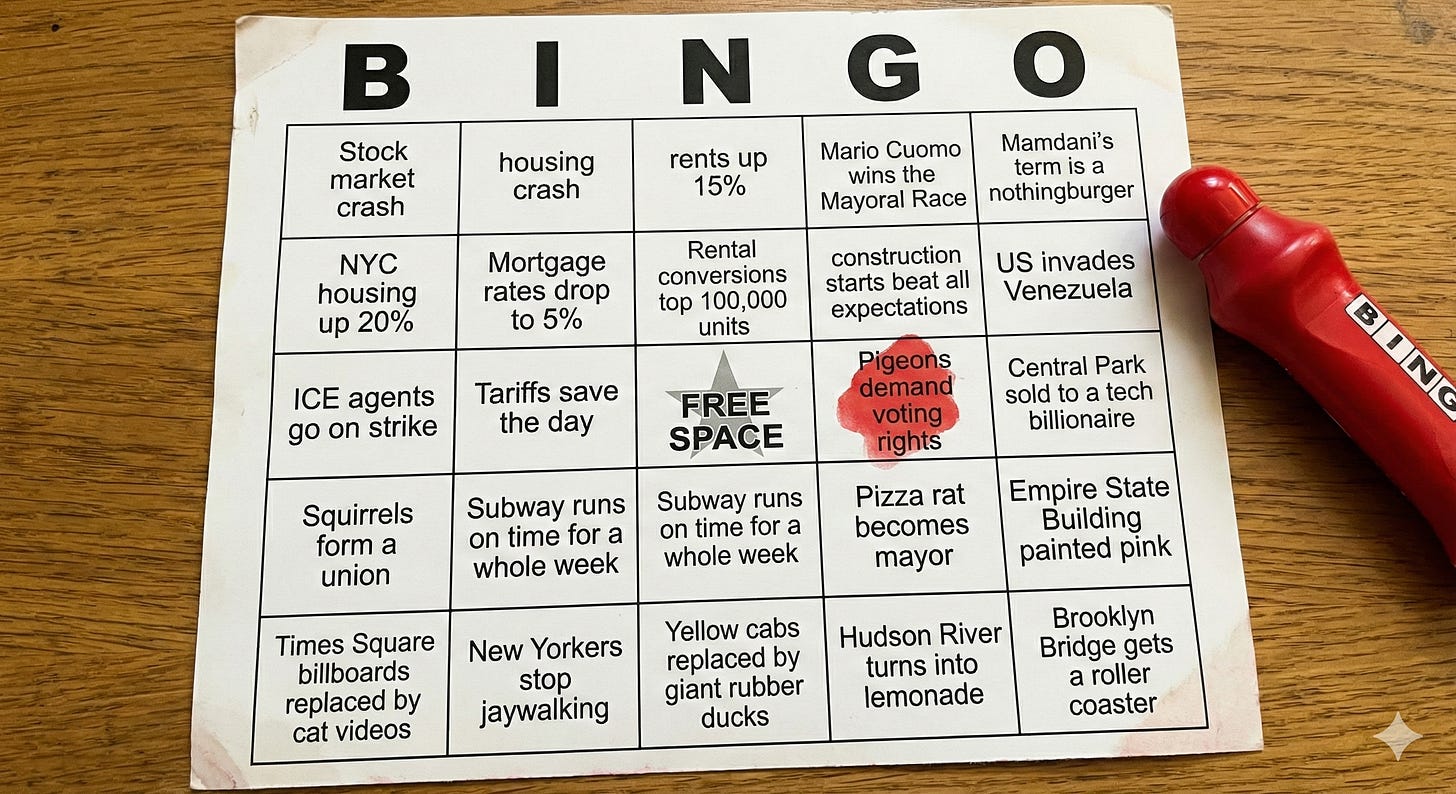
Events may not be predictable, but our default behaviors are. We assume the good times will go on forever, but the cycle is inevitable. It is the timing that is the mystery.
Conversely, when the market is down, we assume the bad times will persist forever. We forget these times, too, shall pass, and we panic.
We label the strangest, most volatile things as the sure thing. First it’s the meme stock, the crypto-currency that can’t fail—or the decision to stay on the sidelines of the housing market for five years while waiting for a crash that never comes.
Then we lose sleep over interest rate hikes we cannot control and housing inventory data we cannot increase. We are not just subpar forecasters. Our guesswork stinks. Maybe we should limit it. Or cease it altogether.
I’ve watched the habits of those more religious than I am. When they talk about things that might happen—especially good things—they often tack on “God willing” to the end of that sentence. That is what humility looks like. It means building a boring portfolio or buying a home that you love, a home where you can ride out the storms and cycles, rather than betting everything on predicting the good times.
You may hope interest rates go down, or that your stock picks go up. But have the good sense to acknowledge that the outcome is largely out of your control.
Back to Reality
Coming back to our group of brilliant 18-year-olds, we would all be wise to incorporate their newfound humility into our own investment strategies. Be careful not to fall prey to the overconfidence that pervades the marketplace. Stop trying to outsmart the future. Just prepare for it, and be grateful when things fall your way. God willing.
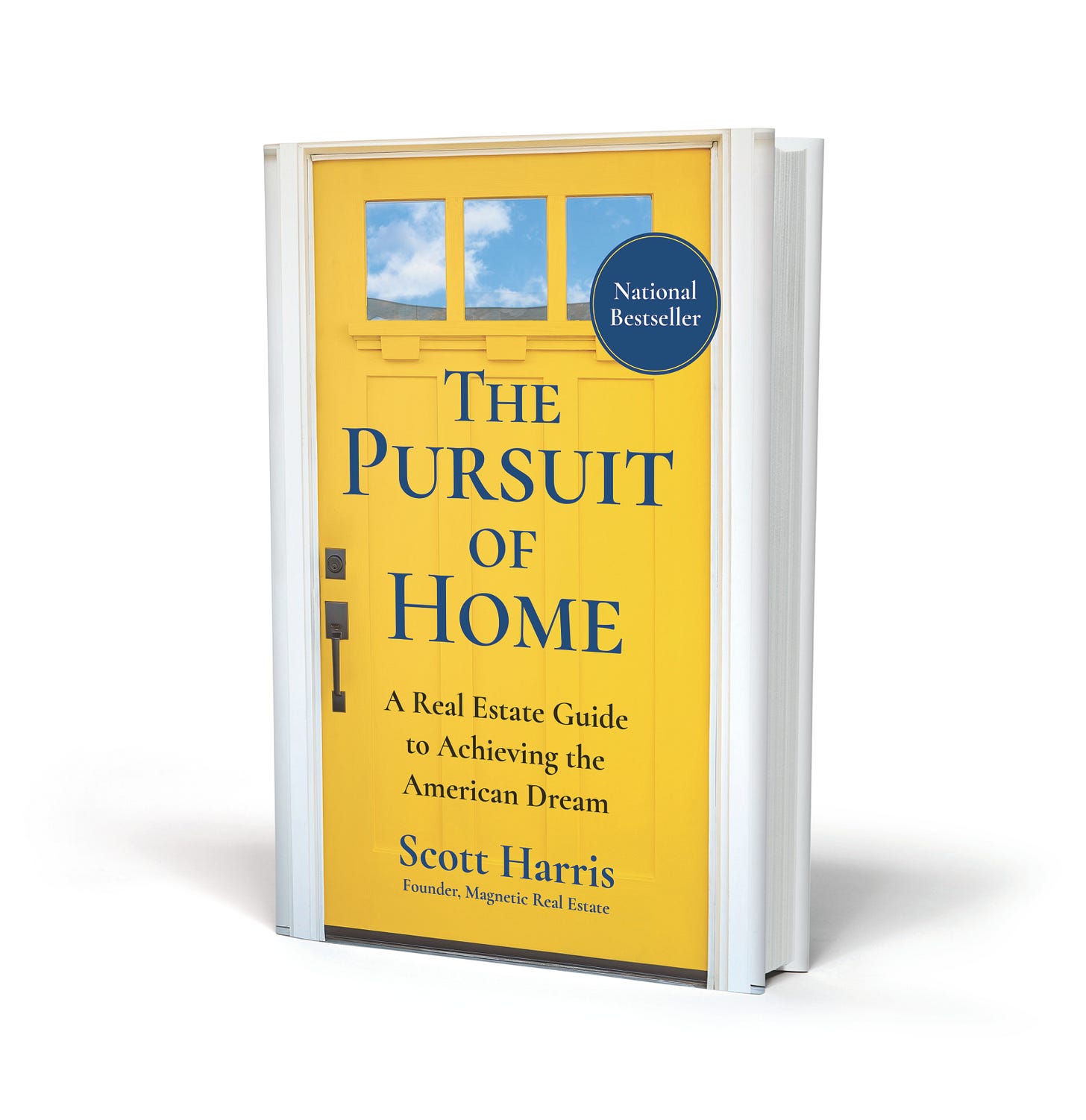
Scott Harris is the founder of Magnetic and the author of new nationally bestselling book The Pursuit of Home: A Real Estate Guide to Achieving the American Dream (from Matt Holt Books). Order it here or explore all the free resources from the book here.
If you’re looking to buy or sell your home, we are ready to help you attract what matters, most, too.