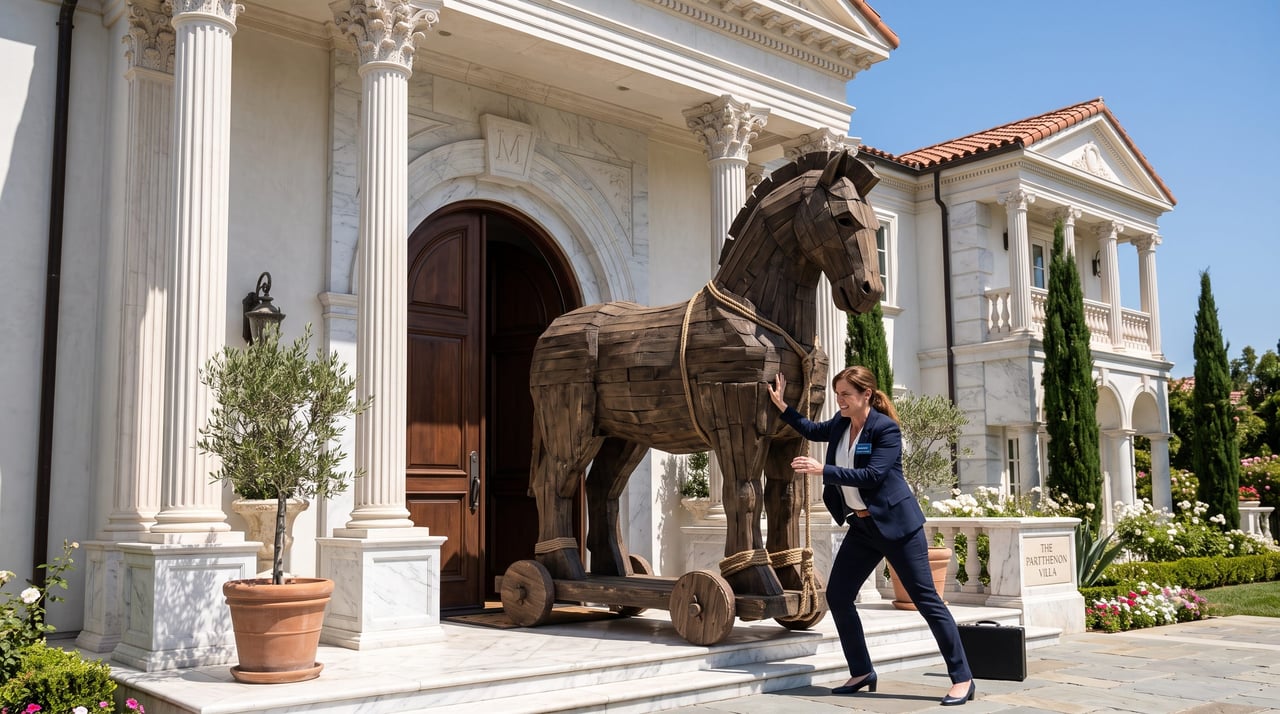
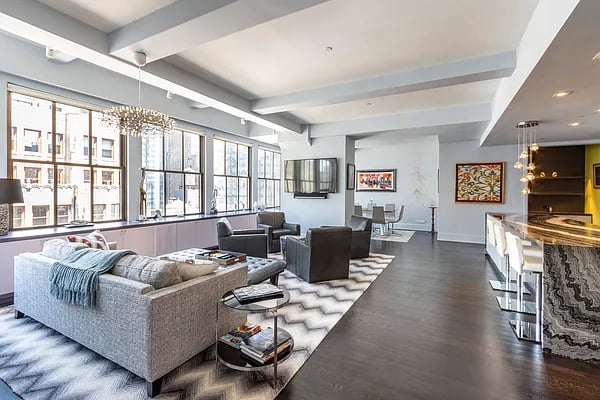
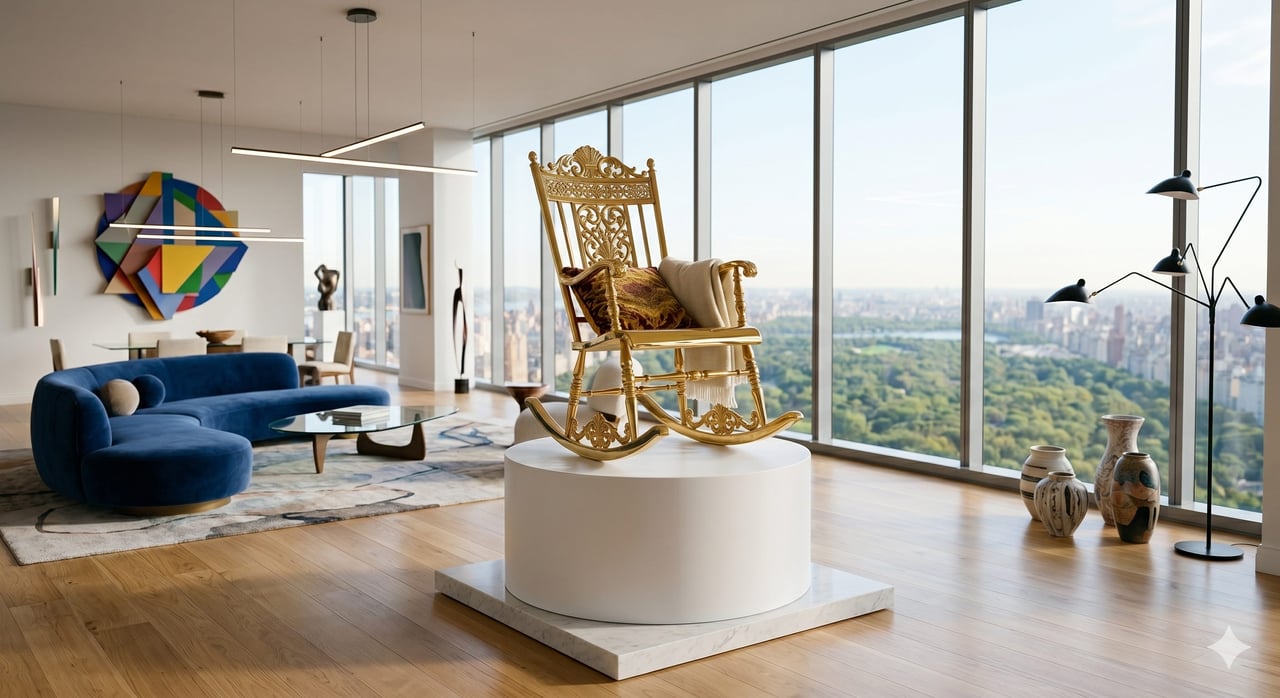
As our nation approaches its 250th birthday next week, we find ourselves surrounded by a quiet collapse of connection. Look at almost any sociological metric today and the fraying is undeniable. Marriage rates have dropped, affiliation with religious and civic life has fallen precipitously, and we have built high, fortified fences around our political leanings, leaving very little room for common ground. Or, just look at New York. As my daughter would say, it’s a hard watch.
Yet, amidst this broad institutional decline, residential real estate remains the great American exception.
Roughly 65% of Americans still own their own homes. Millions more spend their Sundays touring open houses or their evenings scrolling through real estate listings. We are collectively captivated by the idea of shelter and space. But lately, a darker narrative has taken root in our headlines and cultural commentary: the persistent lament that the American Dream is dead. More than half of newly minted homeowners in recent polls even bemoan the sheer, exhausting friction of their homebuying experience.
The prevailing wisdom says we have a crisis of information, of data, or a historic dearth of housing supply. But as a real estate agent who has guided thousands of people through this journey, I see a different diagnosis. We don’t just have a housing crisis; we have a crisis of belief.
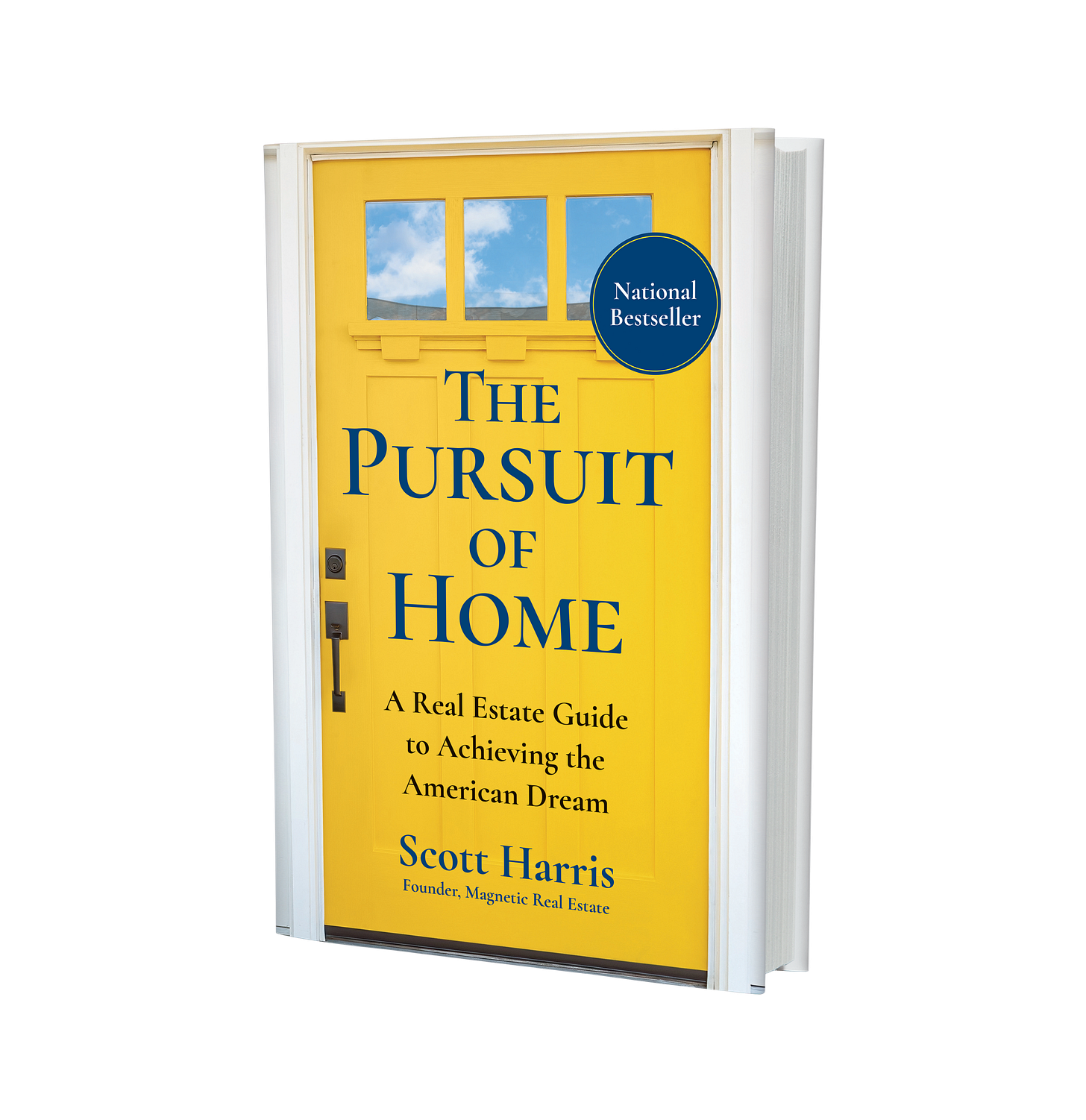
When I wrote my book, The Pursuit of Home, it allowed me to take a step back and look at the broader canvas of our country. Drawing from 25 years of deeply personal, kitchen-table conversations with buyers, sellers, and the agents who represent them, I realized that the house hunt is never just about square footage or interest rates. It is a mirror for our collective psychology. And right now, that mirror is showing a massive, structural crisis of faith.
The Truth of Tinkerbell
I interviewed a prominent national developer two years ago. He told me something unforgettable: assembling the business plan for a new building, and ultimately bringing it to life has always been, at its core, an act of imagination, held together by a shared belief in its existence. Every project, every time he reshaped a skyline, a waterfront, a neighborhood, that vision was, in essence, just like Tinkerbell, the fairy who guides Peter Pan through Neverland.
So it is with the American Dream. It, too, only exists if we collectively believe in it.
Henry Ford once famously wrote, “Whether you think you can, or you think you can’t—you’re right.” But that formula has it only partially correct. It isn’t about what you think; it’s about what you believe. Thinking is analytical; belief is visceral. When a society stops believing that ownership is possible for the ordinary citizen, the machinery of upward mobility grinds to a halt. People simply stop trying.
We are told that to solve the housing crisis, we simply need to build more. But developers will always build what makes economic sense in the moment, and right now, the market is heavily favoring massive, institutional tower after tower of rental buildings. If we lose our vision of what home really means, we will happily hand over our long-term independence for a temporary lease.
For centuries in Europe, the social order was explicitly and cleanly divided: there were the landed gentry, and there were the tenants. It requires no complex economic theory to see what kept one group wealthy and the other permanently stuck in place.
What made America fundamentally different—a radical experiment founded on concepts of personal liberty, property rights, and stewardship—was the democratization of land. The Homestead Act of 1862 enshrined a government that encouraged its citizens to sink domestic and agricultural roots into the countryside, 160 acres at a time.
The American Dream was never meant to be a shiny, curated photo on Instagram or an investment portfolio on a screen. It was meant to be the tangible manifestation of the ancient biblical ideal that George Washington so frequently quoted when longing for a life of peace after public service: that every person should sit securely under his own vine and his own fig tree, with no one to make them afraid.
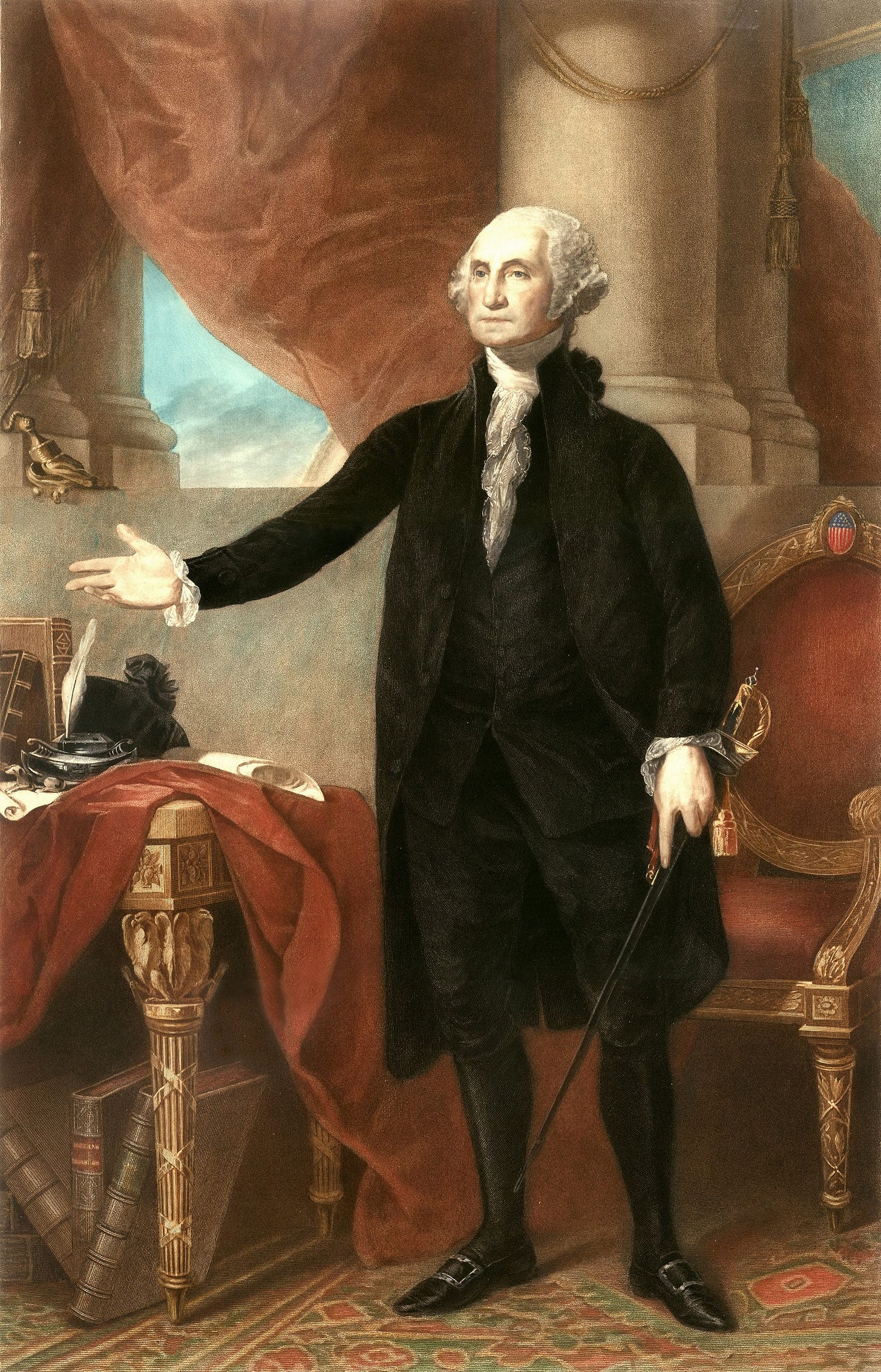
The vital question for our generation as we look toward our national milestone is simple: will we actually own our fig trees, or will we merely rent them from a corporate landlord?
The Preachers of the Caravan
When trust breaks down and doubt takes over, we see a fundamental shift in our political landscape. Look at the local primary elections that just wrapped up here in New York City as we head into the July 4th holiday. Across the ballot, we are seeing the rise of lawmakers whose entire platform is built on adversarial rhetoric—a fierce promise to fight against an entrenched power structure.
Whether you agree with their politics or not, the underlying message is unrecognizable from the dream many of us grew up with. It trades one form of belief for another. Instead of fostering the belief that ordinary citizens can still build something of their own, the focus shifts entirely to what people are entitled to, or how to take it away from someone else. It becomes a battle over human rights and structural grievances, rather than creating the physical, regulatory, and economic conditions for people to go out and achieve stability themselves. Rent freezes and living wages may establish a minimum standard, but in doing so, they ossify our society.
This isn’t just a political trend, though. It is symptomatic of that deeper lack of belief. When people lose faith that the traditional ladder works, they don’t stop believing in everything—they just start believing in a fight. They decide that instead of building their own roof, they must dismantle someone else’s.
But what do you get when you gather a group of people who still believe in creation over conflict? You get a broker tour, a real estate caravan, or a crowded open house. These are not merely commercial transactions; they are the weekly, local tentpoles of the American Dream. And good real estate agents aren’t just sales professionals. They are the preachers of possibility.
If you surround yourself with a choir of skeptics who insist that ownership is a relic of the past, you will inherit their paralysis. If the reports of the American Dream’s death are greatly exaggerated, it is because the search for a home is still the single most powerful way to anchor a life of impact, purpose, and genuine community.
Reclaiming the Floorplan
To step out of the tenant mindset and into the owner mindset requires an unconventional strategy. More than anything, it requires protecting your belief system from the noise.
If you are waiting for the headlines to tell you it’s safe to build a life, you will wait forever. Your life is calling you to expand and grow right now. The strategic mechanics—the down payments, the mortgage rates, the local regulations—matter immensely, but they must follow your vision, not dictate it.
- Filter your circle: Surround yourself with cheerleaders rather than cynics. You know which friends and family will be your cheerleaders and who will stifle your enthusiasm. Lean on the first group and ignore the second.
- Hire for alignment: Spend time hiring a real estate professional who matches your communication style and understands that this is an emotional transition, not just a financial one. Don’t spend more time researching a weekend vacation than selecting the person who will guide your daily future.
- Test your instincts: Lean into the process creatively. Make offers even on imperfect properties to test your instincts; the negotiation process provides the necessary gut check that clarifies your unconscious preferences.
- Look wider: Look for alternative ownership structures like co-housing, the Golden Girls model of shared property, or building Accessory Dwelling Units (ADUs) to bypass frozen inventory markets. We can’t offer that in Manhattan—at least not yet—but in difficult regulatory environments, these options may be the way out of the housing crisis.
Home is the ultimate launchpad for the life you want to create. It connects us to our neighbors and forces us to care about the sidewalk, the local school, and the person next door in a way that transient living never can. It might mean looking for a fixer-upper in a town that desperately needs tradespeople like plumbers and electricians—skills that AI can’t replace and that offer a modern, tangible path to stability.
We cannot simply complain about the rain; we have to fix the roof. If we can bring to the surface a bit more stubborn grit, and marry it with a renewed faith in what is possible, we can stop blaming a changing world, step under our own vine, and finally find our way home.
About the Author
When he is not prepping hamburgers for the holiday grill, arguing with his daughter over what qualifies as a hard watch, or daydreaming about planting an actual fig tree in the middle of Manhattan, Scott Harris is busy helping people navigate the wildest transitions of their lives.
He is the founder of Magnetic Real Estate—where he pulls in clients with a mix of sharp strategy and unmatched energy—and the author of the USA Today bestselling real estate roadmap, The Pursuit of Home. Over a twenty-five-year career closing more than two billion dollars in residential sales, Scott has operated as equal parts strategic advisor, business coach, and property therapist (which comes in handy when the line of agents waiting for the caravan lockbox stretches all the way down the block).
He lives in New York City with his family, where he remains a card-carrying, stubborn believer in real estate miracles.