Real Estate Brokerage by Force Will Not Last
Nearly ninety years ago, Napoleon Hill sat down to outline how success in business is built. Towards the end of his runaway bestselling book Think and Grow Rich, amid lessons on mindset and ambition, he delivered a stark observation about the shift happening in American commerce at the time: the era of the “public-be-damned” corporate monopoly was coming to an abrupt end, replaced by an era that demanded service.
Hill pointed out that when industries failed, it wasn’t just because corporate executives made bad decisions. In his critique of the coal industry, he noted that both the coal operators and their employees (and overzealous labor leaders) became so locked in battle over their own interests that they drove up costs and ignored the public entirely. While labor and management fought over the spoils, they added the cost of their bargaining directly to the price of coal—until the public simply abandoned them for oil burners.
As Hill wrote, “If they fail to serve well, they pay by the loss of their privilege of serving.”
It is embarrassing how little has changed.

The Crossfire I Couldn’t Keep Quiet About
I’ve been watching the corporate war between tech-brokerage giant Compass and listing giant Zillow—along with its local powerhouse StreetEasy—wrestle over homebuyers over the last few weeks. What do I see? An old mistake replayed on a modern digital screen. We are witnessing two massive corporate entities fighting for market dominance, lock-in, and monopolistic leverage. What’s worse—and once again, historically speaking—it is not just the platforms fighting; it is the agents within these systems actively weaponizing listings against the public and against independent peers.
Yet I struggled with writing about this battle over the past few weeks, because I didn’t feel it was “on brand.” I didn’t want to add more fuel to this negative conversation.
More to the point, I look for the positive in everything. I have spent the better part of a decade trying to be a force for good in the brokerage community. What do I want? A marketplace that serves our buyers and sellers, by working to be the best advisor possible. And I launched Magnetic because I felt I could help other agents reach their potential by being the best people they can be. I wrote about it here in January.
But I am also bad at keeping quiet. Two scrapped drafts later, I at least have to say this: I have been disgusted by Compass. I have been grossed out by its agents’ Kool Aid-drinking, vapid spouting of the corporate lines they’ve been given.
I have never been quiet about my feelings about Zillow, either. Their business model does not encourage the best client-agent experience. Part of why I wrote The Pursuit of Home was to help homebuyers find great agents, and find amazing homes in the process. The advertising model Zillow deploys often creates the conditions for inexperienced agents to step in between unwitting buyers and the homes they are looking at.
To that, you might say caveat emptor, or buyer beware.
The Illusion of Corporate Leadership
Leadership by force is not leadership; it is coercion.
For years, Zillow and its subsidiary portals have engaged in untoward behavior simply because they hold the consumer’s attention. By cornering the market on search traffic, they have built an empire that charges agents staggering fees—to the tune of over $1 billion a year—just to buy back access to the very buyers and listings the agents generated in the first place. In major markets like New York City, StreetEasy operates with near-total portal control, forcing agents into a pay-to-play ecosystem where costs continually climb.
Naturally, nobody in the industry is thrilled that a single portal holds that kind of monopoly. But the response from Compass isn’t a liberation of the market—it’s an attempt to replace one gatekeeper with another.
As Compass has expanded by acquiring major brokerages across the country, its answer to combat portal dominance has been to build its own walled garden. Through private exclusive listing networks, locked databases, and pulling inventory off public platforms, Compass claims to be acting heroically on behalf of the industry. But let’s call it what it is: a land grab.
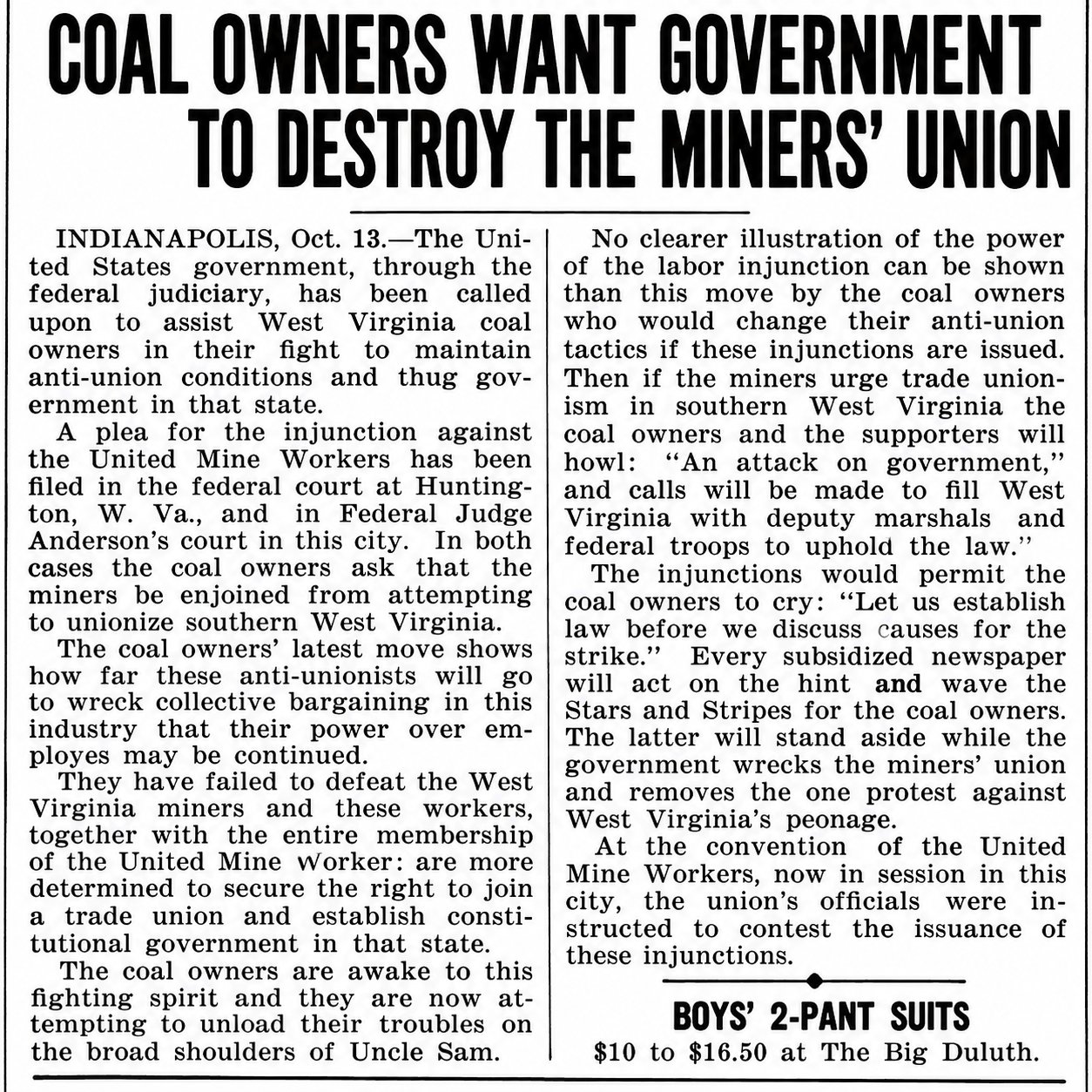
This may be 1921, but the lessons need to be learned over again.
And just like Hill’s coal operators and workers, the agents inside these corporate ecosystems have joined the fray—fighting against independent agents like myself by hoarding listings behind paywalls and inside closed networks. They are actively choosing to limit exposure for home sellers and restrict options for home buyers, all to serve corporate leverage.
There is a fundamental ignorance about who actually holds the power in this equation. They believe they are controlling the market, but they are really just alienating the very people they are sworn to serve.
Is either side acting in good faith? Heck no.
Yet the hypocrisy on display is almost comical. You have top executives framing these portal wars as a noble crusade, while their own elite leadership and team members continue quietly paying Zillow for “Expert” status. Even top executives whose family members are active agents continue advertising on StreetEasy—the very platform they publicly condemn. It is disingenuous, deeply ironic, and reveals the truth: behind the lofty speeches about protecting the agent, it’s all just a power struggle for market control.
The Shift Back to a People-First Business
Having served on Streeteasy’s agent advisory boards and invested heavily in portal advertising over the years, I know there are necessary evils in real estate infrastructure. But necessity doesn’t excuse deception. You don’t get to engage in monopolistic practices, weaponize inventory against consumers and fellow agents, and pretend it’s a noble pursuit.
When I founded my boutique brokerage, Magnetic, nearly two years ago, it was rooted in a foundational belief: real estate is a people-first business.
I launched Magnetic because I felt strongly that corporate market consolidation was reaching its absolute peak. The relentless financial engineering, platform tollbooths, and endless corporate land grabs were driving the industry further away from human relationship and genuine service.
Watching these massive platforms and their agents fight for total leverage only validates that instinct. Monopoly-seeking behavior doesn’t signal strength; it signals desperation. It occurs when companies realize they can no longer win on superior client service, so they try to win by locking the doors.
Trying to Get Without Giving
Hill identified the core disease of monopolistic behavior as the habit of trying to, as he said, “REAP WITHOUT SOWING.”
“Nearly everyone was engaged in the pastime of trying to GET WITHOUT GIVING.”
I was re-listening to Hill’s book for the first time in years. I had to pull over to the side of the road as I thought about this platform war.
- Monopoly behavior. tries to extract value before creating it. It demands tolls at the gate without improving the experience for the buyer or seller.
- True service sows first. It invests in relationships, practices genuine transparency, offers unreasonable hospitality, and earns trust before expecting a return.
When platforms, megabrokerages, and their internal agents prioritize market control over the public good, they forget a fundamental law of business economics: The real employer is always the public.
The Public Always Has the Final Say
As Hill noted in his historical examples, whenever a dominant industry grew arrogant—whether it was the coal operators and labor unions who drove up prices until consumers shifted to oil burners, or rude streetcar conductors replaced by polite bus drivers—the public eventually moved on.
These corporate bullies and their walled gardens will have their comeuppance soon enough. The public does not react well to corporate arrogance or artificially restricted inventory once the curtain is pulled back. Consumers, renters, and ethical agents alike eventually turn away from platforms and brokerages that view them as captive commodities to be monetized rather than clients to be served.
Lessons from ninety years ago shouldn’t need to be relearned, yet here we are. The future of real estate won’t belong to the platform with the most aggressive listing bans or the brokerage with the biggest walled garden. It will belong to boutique firms and independent professionals who understand that service is not a transaction—it’s a privilege granted by the public, and one that can be revoked at any time.
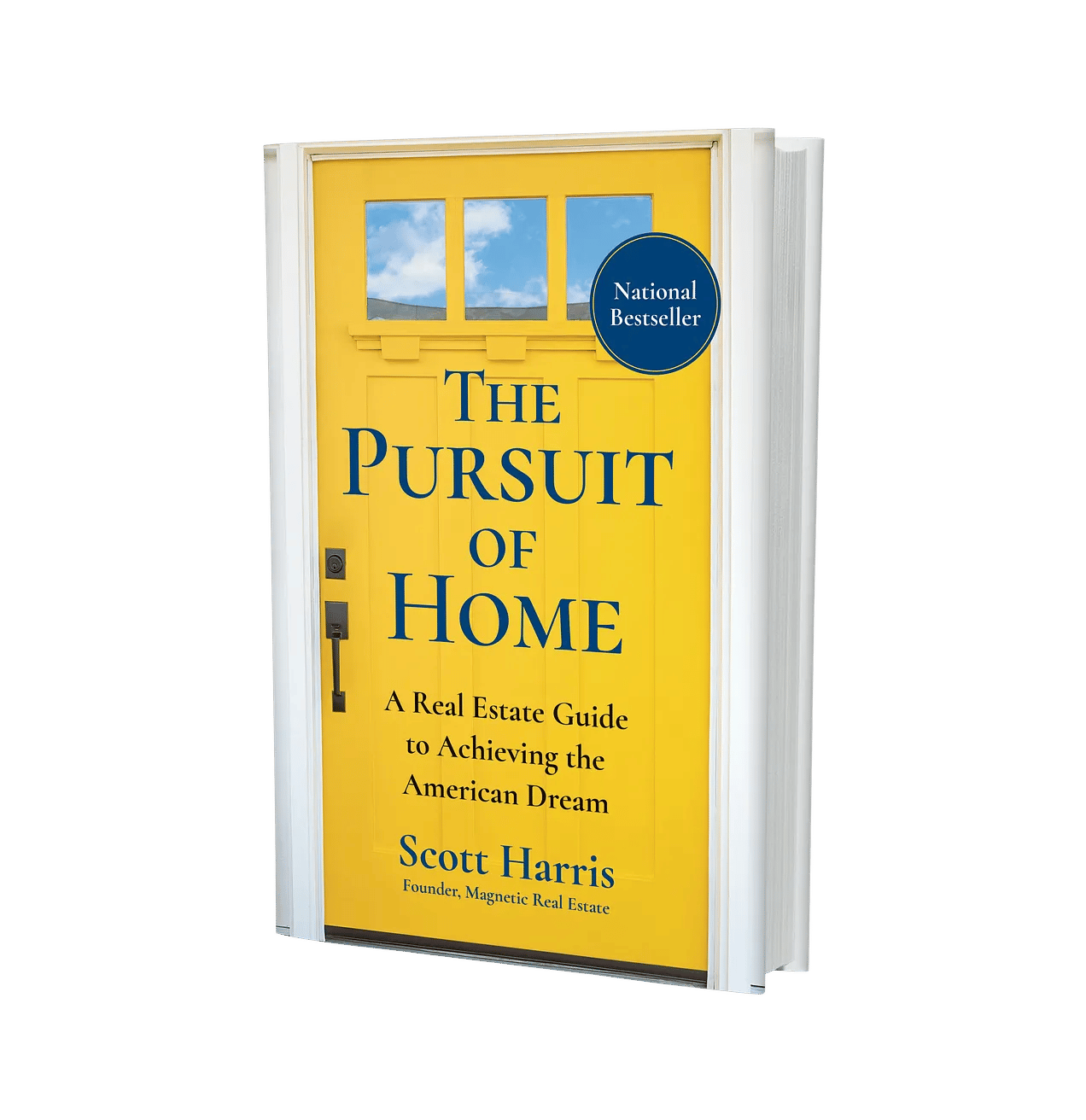
Scott's book The Pursuit of Home
Scott Harris is the founder of Magnetic and the author of USA Today-bestselling kook The Pursuit of Home: A Real Estate Guide to Achieving the American Dream (Matt Holt Books). Order it here or explore all the free resources from the book here.