A Not-so-Happy Birthday
This weekend would have been a friend’s 65th birthday—except that he passed away last November.
Ever since, I’ve been thinking about what happens when someone dies—especially when that person doesn’t have children, or an obvious heir, or a clear trail left behind for what comes next. As a real estate agent, I see this side of life more often than people might expect. But when loss hit close to home, it reframes the job entirely.
Long before I was grieving my friend, I had my first brush with this specific kind of loss. About fifteen years ago, I was hired by the estate of a woman who had lived in my own building. She had been a college professor, lived alone, and had no children. Her niece came to the apartment, walked through the rooms, picked up a handful of small items, and then turned to me.
“You can get rid of everything else,” she said.
That sentence stayed with me.
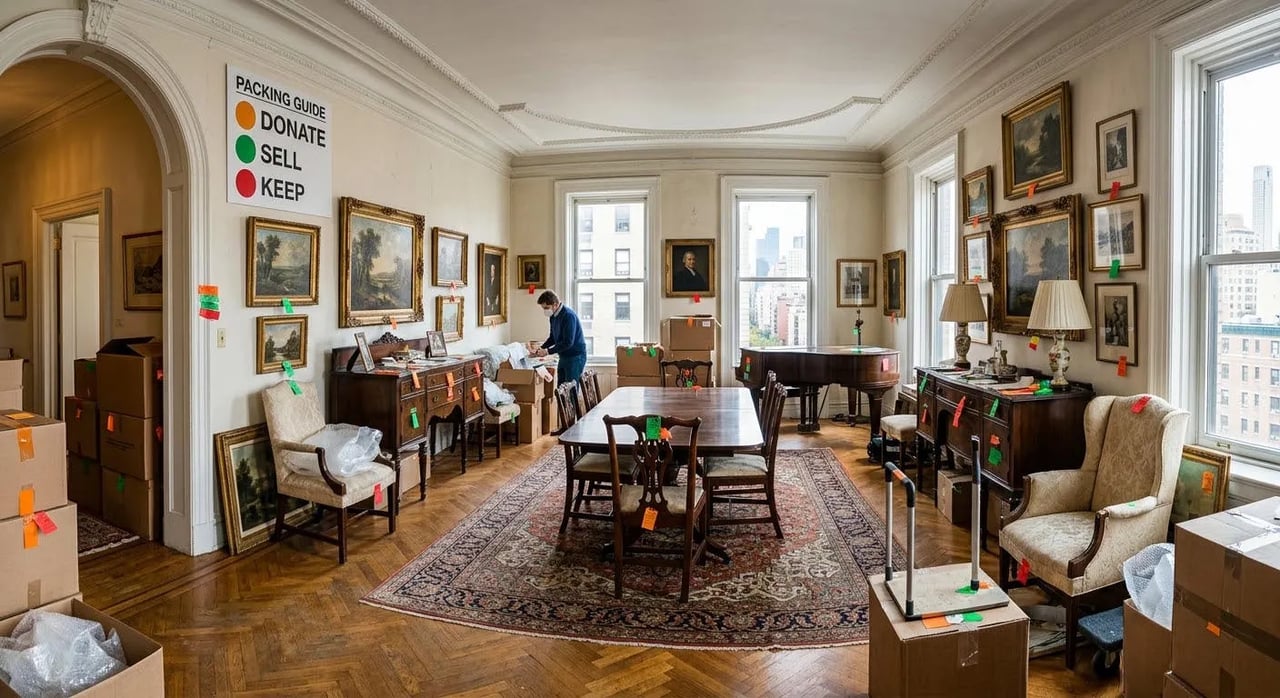
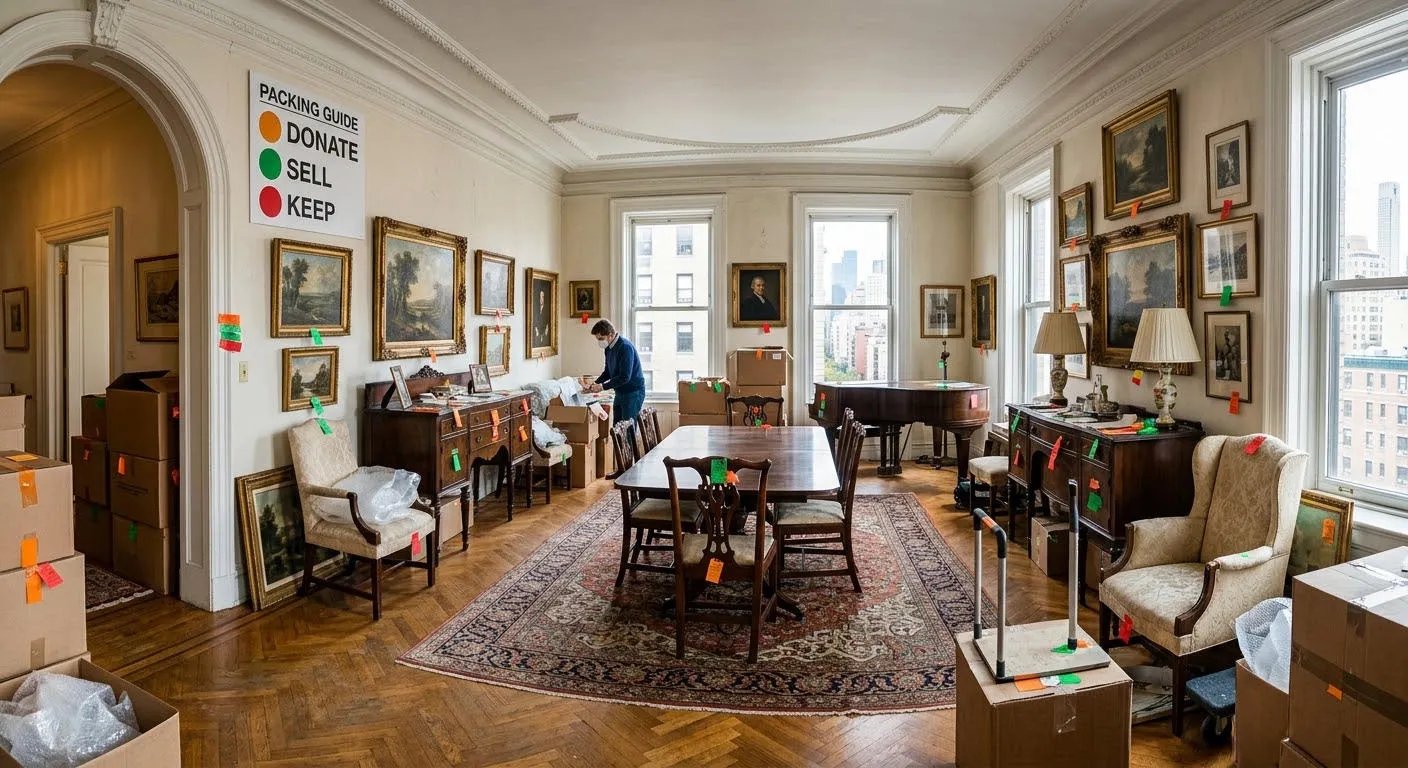
We brought in the movers, donated her mid-century furniture to Goodwill, tossed what couldn’t be saved, and prepared the space. Eventually, a quirky older couple bought the apartment and made it their own. But the echo of that phrase—you can get rid of everything else—never really left me.
A few years later, I was hired to market an apartment that had belonged to another professor who had collected thousands and thousands of books. His widow was left to navigate the sheer volume of his life’s work. Together, we had to go through his library—spanning his entire area of academic expertise—and painfully pare it down, book by book, box by box, until the space was cleared.
Around that same time, another client asked me to prepare her late brother’s apartment for sale. He had been involved in Broadway theater, and his walls were covered in dozens upon dozens of framed photographs, playbills, and mementos. As we carefully took everything down to prepare the walls for paint, his sister had a sudden, overwhelming emotional release. Seeing those bare walls made his absence absolute. The pictures coming down was the moment it became real: he was truly gone.
The truth? She freaked out and didn’t sell the apartment for a year.
We often talk about real estate in terms of square footage, market timing, and interest rates. We talk much less, in much more hushed tones, about the grief embedded in selling a property.
Neither do we speak about the unheralded role agents play when we become the caretakers of someone’s life story. Sometimes, our job is just finding a box of old family photos in a closet and making sure it gets shipped to a distant relative who is deeply grateful it wasn’t thrown away. Other times, it’s holding onto that dirtiest of secrets: that most the things people spend a lifetime accumulating often matter to no one else but them.
Watching my friend’s real estate here in New York and at his home in California get prepared for market these past few months—seeing his things distributed, donated, or cleared out—brought all of this back home.
The Stoics talk about memento mori—remembering that you will die. It sounds somber, but in practice, it’s a gift. It gives you a profound appreciation for being alive, right now, in the present moment.
It also reveals a simple truth about home.
As much as we love our houses, a home is never actually about the stuff inside it. Home is about everything else. It’s the space where life happens. It’s the backdrop for the conversations, the dinners, the quiet mornings, and the small moments of laughter and joy.
Yes, the art is there, but it’s wallpaper in effect. And the things, much as we curate them, are there more to differentiate one room from another than to become the focus of attention. They are the subject of conversation for a while, perhaps, then they recede into the background. Or they hold memories of other places we have been, rather than where we are right now.
In real estate, people think we sell walls and square footage. But the longer I do this, the more I realize the tiny role the transaction plays in the bigger scheme of what we do. Agents help people transition out of spaces—and even more, we hold space for all the messy, beautiful emotions that come with clearing out a life. This is sacred work. I am deeply honored to play a small part in it.
About Scott
Scott Harris is the founder of Magnetic and the author of USA Today-bestselling kook The Pursuit of Home: A Real Estate Guide to Achieving the American Dream (Matt Holt Books).