
The Two Sides of Discretion in Real Estate
If you turn on any industry podcast, open a real estate trade publication, or listen to brokers debating over drinks right now, you’ll hear the same buzzwords over and over: pocket listings, off-market inventory, see it here first, private listing databases, pre-market.
The entire real estate industry has become obsessed with discretion. Brokerages are racing to build private portals to hide listings from the general public, pitching exclusivity as the ultimate commodity to high-net-worth sellers and buyers.
Industry insiders will tell you this is what discretion in real estate looks like today.
They are wrong. Or at least, they’re missing the point.
Hiding a listing behind a digital wall is just a pathetic business strategy that I wrote about recently (you can read it here). The real discretion in real estate isn’t technological; it is deeply, profoundly emotional.
You see, real estate discretion is a two-sided coin. On one side is a professional boundary that every great agent must honor. On the other side is a personal secrecy trap that sabotages the vast majority of home buyers.
If you want to navigate a property search without losing your mind, you have to understand how both sides work, and why one does more harm than good.
Side One: The Sacred Vault (The Agent’s Duty)
The first side of discretion is the proper real estate professional’s promise: We don’t kiss and tell.
In the age of reality TV shows that turn real estate deals into sensationalized drama, real life operates under a completely different code. Behind the public eye—behind the closing photos and headline-grabbing prices—what actually happens inside a transaction is completely shielded. Nothing in luxury real estate is as simple or as public as it seems.
I learned early in my career how delicate this boundary is. Years ago, I made a slip-up on 57th Street, casually mentioning to an aunt that her niece was out looking at apartments. It sparked an immediate family kerfuffle. I owned that mistake, learned my lesson, and cemented a rule that I live by to this day: Absolute client confidentiality.
Even my wife is unaware of who I’m working with. Friends will walk up to us on the street, give me a warm hug, and thank me for helping them buy their home, and my wife will be hearing about it for the very first time. I don’t bring my work to the dinner table.
Why? Because buying or selling a home sits at the intersection of life’s most intense personal transitions. People move because of marriage, divorce, new babies, job promotions, loss, or newfound wealth. They are vulnerable. They need to know that their agent is a vault—a judgment-free partner who protects their privacy above all else.
That side of discretion is non-negotiable. It’s the bedrock of personal and professional trust.

Side Two: The Secrecy Trap
I bring up personal, because then there’s the second side of discretion—the one the walled garden no one talks about. It’s the discretion that buyers impose on themselves out of fear.
So many people treat their home search like a state secret. They hide it from their friends, their coworkers, and their extended family. They try to stay completely under the radar until the deal is done.
When you look closely at why buyers do this, it almost always comes down to emotional self-defense:
- Fear of Judgment: “What will people say if they find out how much I’m spending?” or “What will my family think?”
- Fear of Failure: “If I tell people I’m looking for a home and I get outbid or can’t find anything, I’ll look like a failure.”
They’re way out of their comfort zone. So they suffer in silence. And that suffering comes out in different ways, because that anxiety has to go somewhere. One example: they retreat into what I call Opposite Mode—nitpicking every property, getting bogged down in internet commentary, and arguing with their partner behind closed doors because their anxiety is real.
I meet people at their most stressed, whether buying or selling. And deciding you have to go it alone? Well, it isn’t fun.
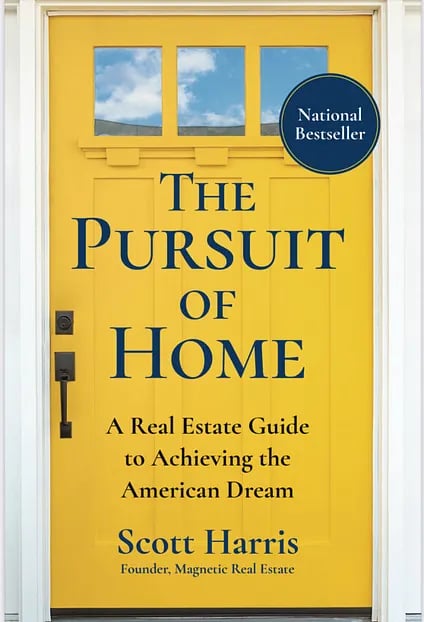
In my book, The Pursuit of Home, I unpack the various “mental houseguests”—not to be confused with uninvited houseguests like mice, mind you—that invade our minds during a search—voices like the Imposter (who whispers that you aren’t worthy of a beautiful home) or the Grand Inquisitor (who convinces you that everyone is trying to rip you off). In the best of times, it’s an emotional rollercoaster for most homebuyers.
When you isolate yourself in the name of “discretion,” you give those common, negative internal voices way too much room to run, way too much time to assert complete control over the narrative. You end up trying to make the biggest financial decision of your life inside a pressure cooker of your own making.

A Bad Hedge: How Hiding Your Search Kills Serendipity
Here is the tragedy of self-imposed secrecy: By hiding your search from the world, you shut down the exact channels that bring dream homes to light.
The industry wants you to believe that walled gardens and private listing portals are the only way off-market properties get bought and sold. But real estate doesn’t happen inside an app. It happens through human connection and shared energy.
In my practice, we use a framework called The Magnetic Method. The final stage of that process is Attract—the moment where you stop frantically hunting for listings and allow your home to find you.
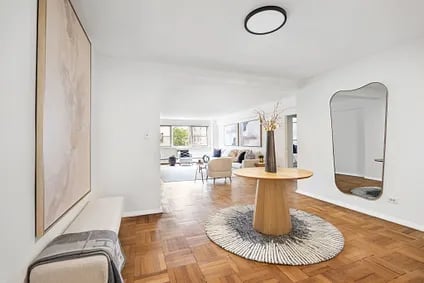
For example, I recently received a call from an old client. He wasn’t even actively looking to buy, but he casually reached out asking if I knew of any great rental apartments on the Upper East Side for his son. I didn’t have a rental available, but I happened to know of a spectacular apartment I was about to list that fit his exact footprint. Three months later, his family closed on it. His daughter-in-law joked that he was their fairy godmother who conjured a home out of thin air.
That deal didn’t happen because of a private MLS or an algorithm. It happened because he picked up the phone and vocalized their goal. And that happened because his son openly shared his real estate goals.
When you open up to a trusted inner circle—mentors, genuine friends, unjudgmental family members—you activate a quiet, powerful network. You let the universe work on your behalf. You’d be amazed at how many off-market deals, quiet introductions, and sudden opportunities appear the moment you stop treating your home search like a crime you’re trying not to get caught committing.
Are they miracles? That’s how I like to think of them.
Of course, you could think of this kind of communication as a different kind of secret—the old school secret that you pass from trusted person to trusted person. But a secret that gets broadcast in authentic ways, and in ways you cannot see or touch.
You will feel its positive impact, to be sure. If you choose to take that step.
Between Two Ferns
What is the alternative? It goes further than just finding a home. In an age of FOMO, it occurs to me that in the absence of this level of communication, you might not just be missing out on the fun. You might be missing out on the best possible home for you. That is not the FOMO feel as you scroll on Instagram. It’s that sliding doors option you’ll never know about.
Let The Light In
Professional discretion is about protection. It means hiring an agent who acts as a vault for your financial and personal life while fiercely advocating for your goals.
Yet real discretion isn’t about building higher walls around properties or hiding your ambition from the people who love you. Yes, personal discretion requires wisdom. It means knowing the difference between thoughtfully protecting your privacy and isolating yourself out of fear.
Don’t let the fear of judgment keep you in the dark. Surround yourself with people who celebrate your wins, share your goals with mentors who lift you up. Don’t make yourself miserable. I promise, this process can be a lot more fun than you’re making it.
Leave the industry to fight its silly battles over its digital walled gardens. When you balance professional privacy with the openhearted courage to pursue what you love, you don’t just find a house—you make your own market, and you find your way home.
About Scott
Scott Harris is the founder of Magnetic and the author of USA Today-bestselling kook The Pursuit of Home: A Real Estate Guide to Achieving the American Dream (Matt Holt Books).
When he’s not nurturing and growing the best agent training program in residential real estate, he’s helping buyers and sellers find homes, or buyers, they love. And exploring the emotional, psychological, and spiritual side of real estate.
To learn more, be in touch!